SPC Free Zone: A Powerful Gateway for Global Business Expansion
How Sharjah’s Business Hub Combines Opportunity, Flexibility, and Strategic Advantage

Introduction
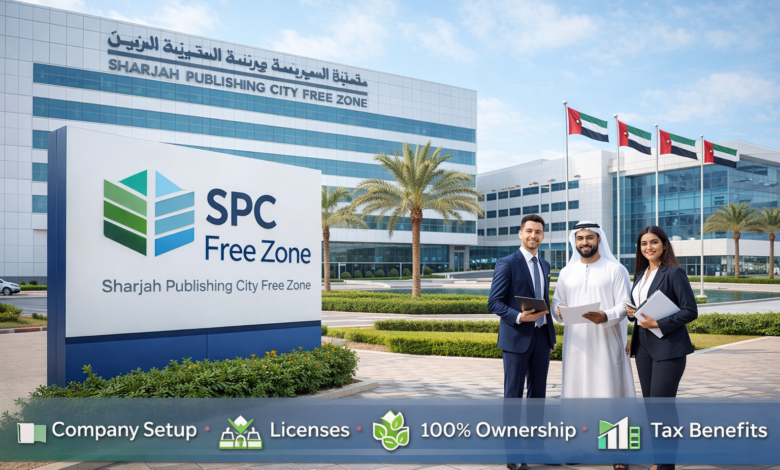
SPC Free Zone has positioned itself as a prominent destination for entrepreneurs and companies looking to establish a presence in the United Arab Emirates. Located in Sharjah, it offers a structured environment where international founders can operate with clarity, ownership, and long-term planning in mind. Its development reflects the UAE’s broader vision of supporting innovation, trade, and cross-border business activity.
At the same time, SPC Free Zone is not a one-size-fits-all solution. While it provides flexibility and efficiency, success within the zone depends on aligning business goals with free zone regulations and operational models. Understanding both the strengths and limitations of SPC Free Zone helps entrepreneurs make informed decisions rather than relying on assumptions.
What Is SPC Free Zone?
SPC Free Zone, formally known as Sharjah Publishing City Free Zone, is a regulated economic zone designed to support a wide range of commercial and professional activities. Although it originated with a focus on publishing and media-related businesses, it has expanded to accommodate diverse sectors such as trading, consulting, technology, and e-commerce.
The zone operates under a clear legal framework that allows companies to function independently within defined boundaries. This structure appeals to founders who prefer a predictable regulatory environment while maintaining operational autonomy.
Strategic Importance of SPC Free Zone
A Business-Friendly Environment
SPC Free Zone emphasizes simplicity in business formation and administration. Its processes are designed to reduce unnecessary complexity, allowing entrepreneurs to focus on growth rather than prolonged setup procedures.
However, simplicity does not eliminate responsibility. Businesses must still ensure compliance with licensing conditions and activity classifications to avoid operational issues.
Regional and Global Reach
Sharjah’s geographic position supports access to regional and international markets. Companies operating within SPC Free Zone can manage cross-border activities efficiently while maintaining a stable base in the UAE.
This advantage is particularly valuable for businesses with international clients, though it requires a clear understanding of trade and operational boundaries.
Licensing Flexibility and Business Activities
Wide Range of Permitted Activities
SPC Free Zone supports numerous business activities across professional, commercial, and creative sectors. This flexibility allows entrepreneurs to align their licenses closely with their actual operations.
At the same time, choosing the correct activity classification is essential. A mismatch between license scope and real operations can create compliance challenges.
Adaptability for Growing Businesses
Businesses can often structure their licenses to accommodate related activities, which supports gradual expansion. This adaptability reduces the need for frequent restructuring during early growth phases.
Still, expansion should be planned carefully, as each additional activity must remain within the regulatory framework of the free zone.
Ownership and Control Structure
Full Foreign Ownership
One of the most attractive features of SPC Free Zone is the ability for foreign investors to retain full ownership of their companies. This removes dependency on local partners and gives founders direct control over decision-making.
For some entrepreneurs, full control is empowering. For others, it also means bearing complete responsibility for compliance, strategy, and financial planning.
Independent Legal Identity
Companies registered in SPC Free Zone operate as independent legal entities within the zone. This clarity supports contractual confidence and structured governance.
However, operating as a free zone entity also means understanding limitations related to mainland market activities.
Operational Infrastructure and Support
Modern Business Facilities
SPC Free Zone offers access to professional office solutions, co-working spaces, and administrative support services. These facilities are designed to meet the needs of startups as well as established firms.
While infrastructure is supportive, businesses must evaluate their actual space requirements to avoid unnecessary costs.
Administrative Assistance
Support services related to documentation, visas, and compliance are part of the ecosystem. This reduces the learning curve for first-time founders entering the UAE market.
Even with support, proactive involvement from business owners remains essential to ensure smooth operations.
Cost Efficiency and Financial Considerations
Predictable Cost Structure
SPC Free Zone is often chosen for its transparent approach to business setup and renewal costs. Predictability allows entrepreneurs to plan budgets with greater confidence.
However, total costs can vary based on license type, visa needs, and operational scale, making careful planning crucial.
Long-Term Financial Planning
The free zone model supports long-term sustainability by reducing structural barriers. For businesses with stable growth strategies, this can translate into consistent financial performance.
Short-term thinking, on the other hand, may lead to underutilizing the benefits of the zone.
Advantages and Limitations of SPC Free Zone
Key Strengths
SPC Free Zone combines regulatory clarity, ownership freedom, and sector diversity. These strengths make it appealing for startups, consultants, and international firms seeking a structured UAE base.
Its supportive environment encourages legitimate, growth-oriented businesses rather than speculative setups.
Potential Challenges
Free zone regulations can limit direct access to certain mainland activities. Businesses must structure their operations carefully to remain compliant.
Additionally, entrepreneurs unfamiliar with UAE regulations may require time to adapt, despite available support systems.
Who Should Consider SPC Free Zone?
Ideal Business Profiles
SPC Free Zone is suitable for entrepreneurs, small to medium-sized enterprises, and international companies seeking regional access. It works particularly well for service providers, digital businesses, and trading-oriented firms.
Businesses that value ownership control and regulatory clarity often find the environment aligned with their goals.
When It May Not Be Ideal
Companies requiring unrestricted mainland operations from the outset may need alternative structures. Understanding these limitations early prevents future restructuring challenges.
Strategic alignment remains the deciding factor.
Conclusion
SPC Free Zone stands out as a powerful business hub that balances flexibility, control, and strategic positioning within the UAE. Its strength lies in offering a structured yet adaptable environment where entrepreneurs can build sustainable operations with confidence. For businesses that align their objectives with free zone regulations, SPC Free Zone provides a solid foundation for long-term growth.
At the same time, it is not without constraints. Success requires planning, compliance awareness, and realistic expectations. When approached thoughtfully, SPC Free Zone can serve as an effective gateway to regional and global business opportunities.
Frequently Asked Questions (FAQ)
What types of businesses can operate in SPC Free Zone?
SPC Free Zone supports a wide range of professional, commercial, and creative business activities, provided they align with approved license categories.
Is SPC Free Zone suitable for international entrepreneurs?
Yes, it is particularly attractive for international founders seeking full ownership and a structured business environment in the UAE.
Does SPC Free Zone offer flexibility for business growth?
The zone allows adaptability in licensing and operations, but expansion must remain within regulatory guidelines.
Are there limitations to operating outside the free zone?
Yes, free zone companies must follow specific rules when engaging with mainland markets, which should be planned in advance.
How important is compliance in SPC Free Zone?
Compliance is essential. While the environment is supportive, businesses are responsible for adhering to licensing and regulatory requirements.