Dr. Saniya Habboub: Biography, Age, Birthday, Religion, Career and Legacy

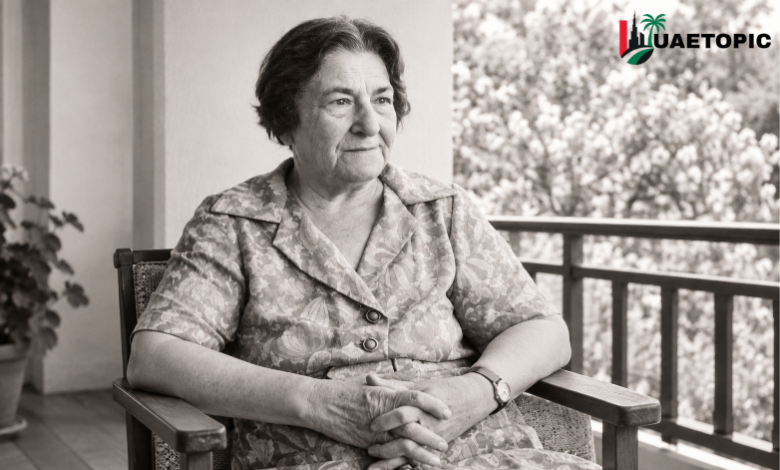
Introduction
Dr. Saniya Habboub was a pioneering Lebanese physician who became an important name in the history of medicine and women’s education in Lebanon. Born in Beirut in 1901, she entered higher education during a period when professional opportunities for women were still limited. Her determination eventually took her from Lebanon to the United States, where she studied medicine and graduated from the Woman’s Medical College of Pennsylvania in 1931. She later returned to Beirut and spent decades serving patients as a doctor.
Today, people continue to learn about Dr. Saniya Habboub because of her groundbreaking achievements and the barriers she overcame. Her biography includes her education, medical career, family life, Muslim background, public service and contribution to women’s advancement. Google also honored her with a Doodle in 2022, bringing her story to a new international audience. Although some personal details, particularly her exact birthday, remain unclear, her professional achievements are well documented.
Quick Bio
| Details | Information |
|---|---|
| Full Name | Dr. Saniya Moustafa Habboub |
| Also Known As | Saniya Habboub, Saniyeh Habboub, Sania Habboub |
| Born | 1901 |
| Birthplace | Beirut, Lebanon |
| Nationality | Lebanese |
| Religion | Islam |
| Profession | Physician |
| Specialization | Obstetrics, Gynecology, and General Medicine |
| Education | Woman’s Medical College of Pennsylvania |
| Graduation Year | 1931 |
| Known For | One of Lebanon’s pioneering female physicians and the first Lebanese woman to study medicine abroad |
| Husband | Muhammad al-Naqqash |
| Children | Two daughters |
| Major Award | Lebanese Health Medal of Merit, 1982 |
| Google Doodle | June 10, 2022 |
| Died | September 1983 |
| Age at Death | 82 years |
| Exact Birthday | Not reliably documented |
Early Life of Dr. Saniya Habboub
Dr. Saniya Habboub was born in Beirut, Lebanon, in 1901. She grew up in a family that valued education even though advanced education for girls was far less common at the time. Her mother, Adila Al-Jazairy, had not received extensive formal education herself, but she strongly wanted her daughter to have educational opportunities. Her father, Mustapha Habboub, was a successful leather merchant who also supported Saniya’s studies. Their encouragement played an important role in helping her continue her education despite social pressure.
As a child, Saniya received Quranic instruction and later attended the American School for Girls. Her childhood also included serious difficulties. She reportedly suffered from typhoid fever when she was young, which affected her health for a period of time. She also experienced an early marriage during her teenage years, but the marriage ended after about two years. After returning to Beirut, she resumed her studies instead of abandoning her educational ambitions. This decision became one of the most important turning points in her life.
Education and Interest in Medicine
Saniya Habboub continued her education at a time when few Lebanese women were entering colleges. She became part of the early student body of the American Junior College for Women, an institution connected to what later became Lebanese American University. In 1926, she became one of the institution’s first graduates. Her educational progress was important because it demonstrated that women could successfully pursue higher academic studies in Lebanon.
Her goal was to become a doctor, but studying medicine presented additional challenges. Social expectations surrounding women in professional education were restrictive, and women studying alongside men could face criticism. Instead of giving up, Habboub decided to travel abroad. She left Lebanon for the United States in 1926, taking a major step toward achieving her dream. This made her one of the earliest Lebanese women to travel internationally specifically to pursue medical education.
Medical Studies in the United States
In the United States, Dr. Saniya Habboub studied at the Woman’s Medical College of Pennsylvania. The institution had been established specifically to provide women with opportunities to become professionally trained doctors. For Habboub, studying there allowed her to continue her medical education in an environment where women could participate fully in medical training. Her presence was particularly notable because she was a Lebanese Muslim woman studying medicine abroad during the late 1920s.
She completed her medical degree in 1931, with training connected to obstetrics and gynecology. Her graduation took place on June 10, 1931, a date that later became especially important in public celebrations of her life. Her achievement represented much more than personal success. She had entered a profession that was still heavily dominated by men and had crossed international and cultural boundaries to complete her education. Her graduation helped establish her reputation as one of Lebanon’s pioneering female physicians.
Dr. Saniya Habboub’s Medical Career
After completing her medical education, Dr. Saniya Habboub returned to Lebanon and established her professional career in Beirut. During the early 1930s, she opened a medical practice in the Bab Idriss area. She worked in obstetrics, gynecology and general medicine, treating women and families from different backgrounds. At first, some people reportedly assumed that she was a midwife rather than a fully qualified physician because female doctors were still unusual in Beirut.
Over time, her reputation grew, and more patients began visiting her clinic. She became known not only for her medical qualifications but also for her dedication to patients. Historical accounts describe her providing treatment to women who could not always afford medical care and making home visits when necessary. Her career lasted for decades, giving her an important place in the development of professional medicine for women in Lebanon. She eventually became recognized as one of the country’s most important early female doctors.
Dr. Saniya Habboub Religion and Identity
Dr. Saniya Habboub was Muslim, and her religious and cultural background formed an important part of her identity. She had received Quranic education during childhood, and historical accounts describe her as proud of her identity as a Muslim Arab woman. Her story became especially significant because she demonstrated that a Muslim woman from Lebanon could obtain advanced medical education abroad while maintaining a strong connection with her home country and community.
Her public service also included involvement with Muslim charitable and social organizations. She worked with institutions such as the Muslim Orphanage and the Young Women’s Muslim Association. At the same time, her medical practice was focused on caring for the wider community rather than limiting treatment according to religion or background. Reliable historical material identifies Islam as Dr. Saniya Habboub’s religion, but more specific claims about a particular Islamic sect are not clearly established in the major biographical records about her.
Dr. Saniya Habboub Age and Birthday
Dr. Saniya Habboub was born in 1901 and died in September 1983. Historical reports state that she was 82 years old at the time of her death. Her long life included decades of medical practice, charitable activity and contributions to women’s professional development. Because she lived during the early twentieth century, some personal information that would normally be widely documented for modern public figures is harder to confirm.
Her exact birthday date is one example. Reliable institutional records consistently provide 1901 as her birth year, but they do not clearly establish an exact day and month of birth. June 10 is sometimes connected with her name because Google honored her on that date in 2022. However, June 10 was chosen because it marked the anniversary of her medical-school graduation on June 10, 1931. It should therefore not be presented as her confirmed birthday without stronger historical evidence.
Marriage, Husband and Family Life
Dr. Saniya Habboub’s personal life included an early marriage when she was still a teenager. She moved to Damascus after marrying a neighboring doctor, but the marriage ended after approximately two years. The couple did not have children. Following the separation, Habboub returned to Beirut and continued her education, showing the determination that later became one of the defining features of her biography.
She later married journalist Muhammad al-Naqqash in the 1930s. The couple had two daughters. Family members later helped preserve memories, photographs and information about Habboub’s personal and professional life. Her experience also challenged the idea that a woman had to choose completely between family life and a professional career. She became a wife and mother while continuing to work as a respected doctor and remaining involved in charitable and social organizations.
Public Service, Awards and Social Contribution
Dr. Saniya Habboub’s influence extended beyond her private clinic. She was associated with humanitarian and charitable organizations and contributed to institutions serving Lebanese society. Historical sources connect her with the Lebanese Red Cross, the Muslim Orphanage, the Young Women’s Muslim Association and Maqassed Hospital. Her involvement demonstrated that she viewed medicine as a form of public service as well as a profession.
Her decades of work eventually received official recognition. In 1982, the Lebanese government awarded her the Health Medal of Merit in recognition of approximately fifty years of medical service. This honor reflected the respect she had earned through a long career. Her contribution was particularly meaningful because younger generations of women entered medical schools and professional careers during the decades after she had first broken through many of those educational and social barriers.
Google Doodle, Online Presence and Lasting Legacy
Google honored Dr. Saniya Habboub with a special Doodle on June 10, 2022. The tribute marked the anniversary of her medical graduation and introduced millions of people around the world to her story. Google highlighted her achievements as a Lebanese woman who traveled abroad to study medicine, returned home and dedicated much of her life to treating patients and supporting charitable causes. The Doodle also renewed public interest in her biography, age, religion and medical career.
Dr. Saniya Habboub died long before modern social-media platforms such as Instagram were created, so she never had a personal Instagram account. Online pages using her name are modern historical, educational or commemorative accounts rather than profiles personally operated by her. Her legacy instead survives through university archives, historical records, family memories, public tributes and the recognition of her role in Lebanese medical history.
Conclusion
Dr. Saniya Habboub’s biography tells the story of a woman who entered medicine during a period when female participation in professional education was still unusual. Born in Beirut in 1901, she pursued higher education in Lebanon before traveling to the United States to study medicine. She graduated from the Woman’s Medical College of Pennsylvania in 1931 and later returned to Beirut, where she built a respected medical career in obstetrics, gynecology and general medicine.
She was Muslim, married twice during her lifetime, became the mother of two daughters and spent decades serving patients and supporting social organizations. She died in September 1983 at the age of 82. Although her exact birthday is not clearly documented, the major events of her life demonstrate why she remains an important historical figure. Her achievements helped expand ideas about what Lebanese women could accomplish in education, medicine and public service.

